
My Journey With Hormone Therapy and How It Changed My Health
A personal look at how hormone therapy improved my sleep, energy, and bone health
WELLNESS & NUTRITION
When I first started researching bone loss two years ago, hormone therapy was not something I expected to look into. I assumed it was only for women dealing with hot flashes or emotional swings. Then a provider explained that estrogen protects the “three Bs,” your bones, your brain, and your boobs. I smiled, but it was one of those moments where something just clicks. Suddenly everything I had been feeling made a lot more sense.
Around that same time, I was dealing with night sweats along with sleepless nights because my body would not relax. I would be exhausted but unable to settle, which made everything feel harder the next day. Once I understood how declining hormones could affect sleep, mood, and even my ability to relax, I knew it was worth exploring.


Affiliate Disclosure: This post contains affiliate links. I may earn a small commission if you make a purchase through them, at no extra cost to you.
Starting Hormone Therapy
I began BHRT, which is bioidentical hormone replacement therapy, in November of 2023 through XBody Health Wellness Spa in New Jersey. The results came quickly. Within about three weeks my night sweats were completely gone. It felt amazing to finally sleep without needing the ceiling fan for a little breeze in the middle of winter. I used to rotate between being bundled under the blanket one minute and lying on top of the covers the next while waiting for the air to cool me down. My husband was grateful too since he no longer had to sleep through my constant hot cold routine with the fan running in January. My energy lifted, my mood improved, and I felt more like myself again.
After nine months I switched from creams to injections through Elevate MD, an online provider. My numbers still were not high enough for good bone protection and my skin had become sensitive where I applied the creams. I also suspected I was not absorbing them well. Elevate MD offered simple annual pricing that included labs, visits, and medication which made the transition easier while I was still learning.
A year later I moved to another online provider, Defy Medical. With Defy, I was able to have all of my blood work done through my primary doctor using my insurance, and I only needed to purchase my testosterone through Defy since it was not covered. My estradiol and progesterone were covered by insurance. There was no reason to continue paying for extra visits or out-of-pocket labs when my primary doctor could order everything I needed. I now pay only for what I need and it has made everything easier and more affordable.
When the Black Box Warning Was Lifted


One of the most emotional moments for me was learning that the black box warning on estrogen therapy was removed a couple weeks ago (November 10, 2025). It brought tears to my eyes. So many women I know have been afraid to even look into HRT because of that warning. I have friends and family members who avoided it for years. Knowing the research now reflects what so many experts have been trying to teach women feels like a huge step forward.
What I Wish I Did Differently
If I were starting this journey today, here is what I would change.
I would have tried estradiol patches before moving to injections. Patches are cost effective and FDA approved.
I wish I had waited to add testosterone. I learned that it can be easier to tell what is helping or not helping when estradiol and progesterone are already stable. Adding everything at once made it harder to see what my body was responding to.
I would have started all of this earlier instead of waiting until symptoms became overwhelming.
I would have kept better track of dose changes and how I felt. Adjusting hormone levels takes time and patience and it is normal to need several tweaks.
What I Learned Along the Way
Hormone therapy taught me more about women’s health than anything I learned growing up or even during regular doctor visits.
Not all gynecologists are trained in HRT. Many were never taught how to prescribe it.
You cannot rely on outdated information. Advocate for yourself and ask questions.
I found it helpful to ask for a DEXA scan, and many women in this stage of life do the same when they want a clearer picture of their bone health.
Women with a higher osteoporosis risk can sometimes fit a very specific profile. Slender, light skin, light eyes. Basically, me in a nutshell.
Your body will change in menopause and there are meaningful ways to support it.
If You Are Considering BHRT
Here are the things that helped me the most.
Find a doctor who understands hormone therapy and listens to both your labs and your symptoms.
Let them know you want “bioidentical” hormones.
Give yourself time. Finding the right dose is a process and very personal.
Join hormone therapy groups. It helps to learn from women on similar paths.
Read about the importance of estrogen. I first learned about it when a calcium CT scan unexpectedly revealed early bone loss. I shared more about that experience in my CT scan article, including the book, Estrogen Matters, that helped me understand the role estrogen plays in women’s health.
Watch YouTube videos to learn the basics, then share one with your partner. Many partners see the exhaustion, the irritability, or the brain fog and think it is stress or “just a mood.” When they understand the hormonal changes behind it, everything makes more sense for both of you.
Talk about menopause openly. It should never be a hush hush topic anymore.
One thing I also appreciate about HRT is that you can stop it at any time if you feel it is not helping you. It is flexible and you are not locked in. Some medications that support bone density need long term use or have strict guidelines when you discontinue them. Hormones are different. If you try it and it does not feel right, you can stop.
How I Feel Today
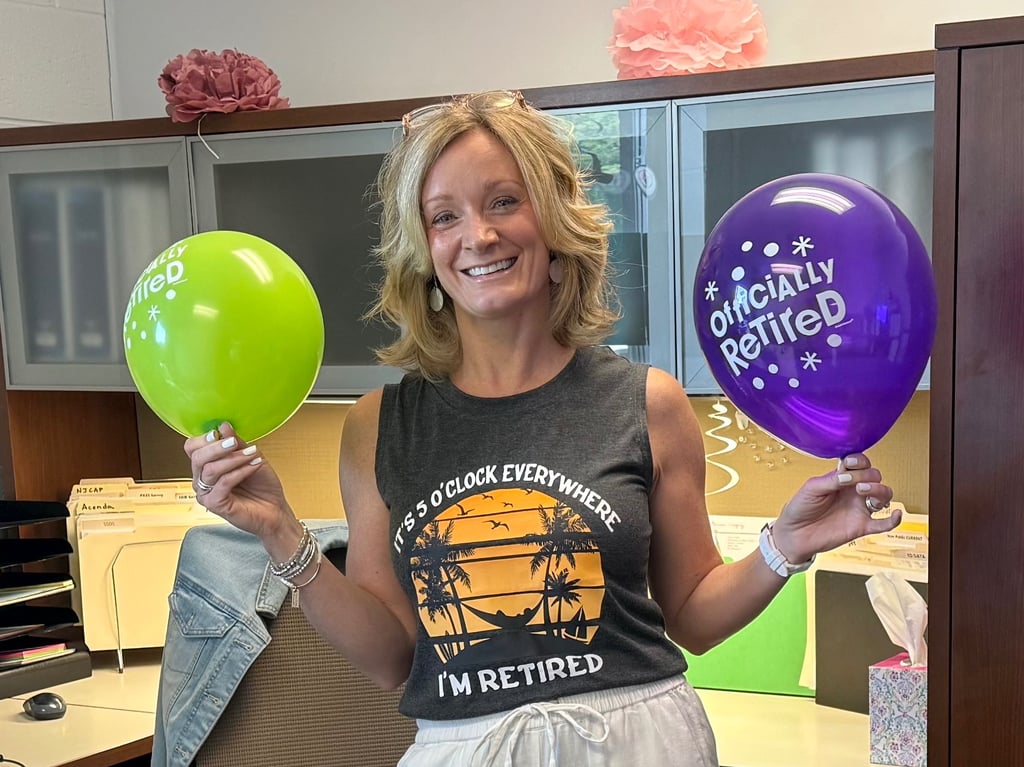
A very happy, feel good moment on my last day of work this past June as I officially stepped into retirement.
I feel stronger than I have ever felt. I am truly in the best shape of my life. I credit this to hormone therapy, consistent workouts, balanced nutrition, and a supplement routine that supports my bones and overall health. My diet focuses on the nutrients I need most, especially protein, and I make sure I am getting enough calcium through food, all within an anti inflammatory approach that supports my overall health.
Women starting BHRT today are stepping into a better landscape. Research is finally focusing on women. Advocates are pushing for change. The conversation is shifting from fear to understanding.
And the biggest reminder I can offer is that you do not need to accept feeling off, fatigued, foggy, or unlike yourself. You deserve information, support, and a plan that helps your body thrive.
If you're looking for more recommendations that fit this simple, feel-good life, browse my Amazon Storefront ~ I only share things I truly enjoy and use! https://www.amazon.com/shop/lifewellbloomed 🌿As an Amazon Associate, I earn from qualifying purchases (at no extra cost to you).
You Might Also Like
👉What a Heart Scan Revealed About My Bones (Yes, Really!)
👉Building Strength from Home: How I Improved My Bone Health and Energy
👉Top Picks: 5 Essentials to Build a Simple, Effective Home Gym
👉Rebuilding My Bones Naturally: My Daily Supplement Routine
👉A Simple New Year Reset: Healthy Habits to Feel Calm and Organized After the Holidays

Are You On Social Media?
Follow along on Pinterest and Facebook as I begin sharing fresh inspiration and helpful ideas. Life Well Bloomed is just getting started, and I would love for you to be part of the journey.