
How I Reduced My Cholesterol Naturally by Looking Beyond the Basic Panel
A decision shaped by advanced testing, consistent habits, and a broader view of health
WELLNESS & NUTRITION
Lowering cholesterol did not start with medication for me. As my numbers began to rise in midlife, I learned that cholesterol changes are often driven by a combination of genetics, hormonal shifts, and metabolic health rather than lifestyle alone.
Before sharing what I personally focus on to manage cholesterol, it is important to understand the science and context that shaped my decisions. This background explains why a single cholesterol number rarely tells the full story, and why an individualized approach matters.


Why Cholesterol Changes in Midlife
Cholesterol itself is not the enemy. Your body needs it to produce hormones, vitamin D, and healthy cell membranes. The issue is how cholesterol is transported and how much accumulates in the arteries over time.
For women, cholesterol often begins to change during perimenopause and menopause. Estrogen plays a protective role in cardiovascular health by helping raise HDL cholesterol and supporting the liver’s ability to clear LDL from the bloodstream. As estrogen levels decline, LDL cholesterol often rises, HDL may decrease, and cholesterol particles can become more likely to contribute to plaque buildup in the arteries.
This explains why many women see increases in total cholesterol and LDL despite no major changes in diet, weight, or exercise.
Familial Cholesterol and Genetics
For some people, cholesterol is strongly influenced by genetics. Familial or inherited cholesterol patterns mean the body naturally produces more cholesterol, even when lifestyle habits are supportive.
This is my situation. High cholesterol runs in my family, particularly on my mother’s side. She is one of ten siblings, and most have either high cholesterol or high blood pressure. I have always eaten well, aside from the occasional indulgence like anyone else, which is why I was surprised to see my numbers begin to climb. Over time, I began to notice a clear rise in my total cholesterol and LDL.
In hindsight, this timing closely aligned with hormonal changes common in midlife, reinforcing that biology, not poor habits, was driving much of the change. This experience helped me understand that even a healthy diet and active lifestyle do not always override genetics and hormonal shifts.
Genetics and hormones together explain why a one size fits all approach to cholesterol does not work, especially for women navigating midlife transitions.


Understanding Total Cholesterol, LDL, and Risk
High total cholesterol alone does not automatically mean medication is required.
Total cholesterol includes LDL, HDL, and other lipid components. HDL raises total cholesterol but is protective, while LDL needs to be evaluated in context.
One practical way to assess risk is by looking at cholesterol ratios rather than total cholesterol alone. A commonly used calculation is total cholesterol divided by HDL cholesterol.
A ratio under 3.5 is generally considered favorable, with many clinicians preferring a ratio closer to 3 or below.
This is one of the key numbers I track and review alongside other health markers in partnership with my healthcare providers, rather than focusing solely on total cholesterol.
What Prompted Me to Look Beyond a Basic Cholesterol Panel
In 2017, my total cholesterol rose slightly above 200 for the first time. At that point, my primary care provider strongly recommended starting a statin. I shared that I wanted to take a natural, lifestyle focused approach and asked for six months to see if I could lower my numbers on my own.
During that time, I made intentional changes and was able to lower my cholesterol slightly. Even with that improvement, the recommendation to start a statin remained unchanged, without additional testing to further assess my individual risk.
That experience led me to realize I wanted a more comprehensive and individualized understanding of what was happening in my body before deciding whether medication was truly necessary. This ultimately prompted me to search for a new primary care provider who would take family history, hormonal changes, lifestyle, and additional data into consideration before recommending prescription medication.
When I began that search, I used Healthgrades to research providers, read patient reviews, and better understand areas of expertise before choosing a provider who aligned with a more comprehensive, preventative approach.
Tests That Provided a Clearer Risk Picture
After changing primary care providers, I was able to pursue more comprehensive testing to better understand my cardiovascular risk. These tests are typically ordered by a cardiologist or by a primary care provider who practices preventative or integrative care.
Working with providers who were willing to look beyond a basic lipid panel made a meaningful difference in understanding my risk and next steps.
The tests and screenings that helped clarify my risk included the following.
Coronary calcium CT scan
Also called a coronary artery calcium test or heart CT calcium scan, this imaging test uses CT technology to look for calcified plaque in the coronary arteries. The scan produces a calcium score. A score of zero indicates no detectable calcified plaque and is associated with a lower near-term risk of heart attack, even when cholesterol numbers are elevated. This test helped provide important context alongside my cholesterol labs and supported a more individualized decision about whether medication was truly needed.
Carotid artery ultrasound
This ultrasound evaluates the arteries in the neck that supply blood to the brain. It looks for plaque buildup and narrowing and assesses blood flow. Because plaque in the carotid arteries is linked to stroke and cardiovascular disease, this test helps determine whether cholesterol may be contributing to arterial changes over time. It does not involve radiation and does not provide a calcium score.
Peripheral vascular testing of the legs
This testing evaluates circulation in the arteries of the lower extremities and is commonly done using an ankle–brachial index or an arterial ultrasound of the legs. It assesses how well blood is flowing to the legs and screens for peripheral artery disease, which can be an early sign of systemic atherosclerosis related to cholesterol. Normal results are reassuring and suggest healthier circulation.
Advanced blood testing
In addition to imaging, I had more detailed blood work that went beyond a standard cholesterol panel. These labs helped evaluate cardiovascular and metabolic risk more accurately and included:
• ApoB (apolipoprotein B), which helps estimate the number of atherogenic cholesterol-carrying particles in the blood
• LDL particle size and LDL particle number, which provide insight into cholesterol particle characteristics beyond LDL cholesterol alone
• High-sensitivity C-reactive protein, a marker of inflammation that can increase cardiovascular risk
• Hemoglobin A1C, which reflects average blood sugar over the past two to three months and strongly influences cardiovascular health
• Fasting insulin, which helps identify insulin resistance and metabolic risk that may not yet appear on a standard glucose test
Together, these tests helped determine whether cholesterol was actively affecting my arteries and supported a more personalized approach to care rather than relying on a single lab value.
When a Statin May or May Not Be Appropriate
Statins are important, life saving medications for many people. This article is not anti medication.
However, elevated cholesterol does not automatically mean a statin is required, especially when the overall relationship and relative balance between total cholesterol, LDL, HDL, and triglycerides is favorable, and advanced testing shows low plaque burden, favorable particle profiles, low inflammation, and good blood sugar control.
After reviewing my testing results with my new primary care provider and my cardiologist, and discussing the changes I had made to my habits and increased training, I was told that a statin was not needed at this time.
What I Focus on to Manage Cholesterol Naturally
If you skim this article and want a clear takeaway, this is the section to come back to. These are the specific actions I focus on consistently to manage cholesterol, especially with a family history and hormonal changes.
Many of these topics are explored more deeply throughout the Wellness section of Life Well Bloomed, and I have linked additional related articles at the end of this post if you would like to dive deeper into any specific area.
I think of these as foundations rather than rules.
1. Build Every Day Around Fiber Rich Foods
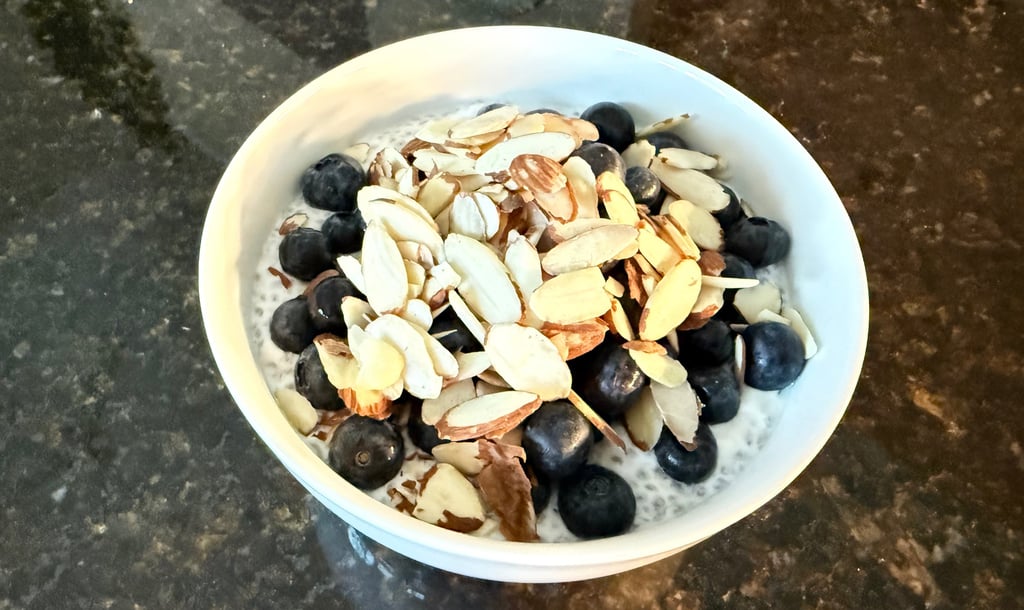
I prioritize soluble fiber daily from whole foods. This includes oats, chia seeds, ground flaxseed, lentils, beans, vegetables, berries, and fruit. I include chia seeds daily because they support fiber intake, blood sugar balance, and overall heart health. Fiber is one of the most consistently supported dietary tools for cholesterol management.
2. Choose Anti Inflammatory Fats
I focus on replacing processed and refined fats with anti inflammatory fats. Extra virgin olive oil is my primary cooking fat, and I regularly include avocados and nuts.
Wild caught salmon is part of our weekly rotation, usually one to two times per week. Fatty fish like salmon provide omega 3 fatty acids, which are associated with lower triglycerides, reduced inflammation, and overall cardiovascular support. These choices help support higher HDL cholesterol and healthier cholesterol ratios.
3. Strength Train and Walk Regularly
Movement is non negotiable for me. Strength training helps improve insulin sensitivity and supports HDL cholesterol, while walking and steady cardio help manage triglycerides and overall cardiovascular health. With the loss of estrogen in midlife, bone health has also become a major focus of mine, and regular strength training plays an important role in maintaining bone density as we age.
4. Prioritize Lean Protein and Support Blood Sugar Balance
Cholesterol is closely tied to blood sugar and insulin health. I prioritize protein at meals and stay consistent with movement to support metabolic health.
I primarily focus on lean protein sources like turkey and chicken, which provide high quality protein without the higher saturated fat content found in many red meats. Red meat is something I limit, not eliminate. Diets higher in saturated fat, particularly from red and processed meats, are associated with higher LDL cholesterol and increased cardiovascular risk. Keeping red meat as an occasional choice rather than a regular staple has supported better cholesterol balance for me.
5. Prioritize Sleep and Manage Stress
Poor sleep and chronic stress increase inflammation and negatively affect cholesterol and triglycerides. I focus on consistent sleep routines and aim for eight hours of sleep per night, which aligns with current recommendations for most adults. Adequate sleep supports hormone balance, metabolic health, insulin sensitivity, and overall cardiovascular health. I also rely on daily movement and evening wind down habits to support nervous system health.
Managing stress and supporting the nervous system has been just as important for me as nutrition and movement, especially during a season of hormonal change.
6. Limit Alcohol to Support Cholesterol, Sleep, and Inflammation
Alcohol has a direct impact on triglycerides, liver health, sleep quality, and inflammation, all of which influence cholesterol levels. I became more intentional about alcohol, focusing on moderation rather than elimination.
For me, this meant limiting alcohol to occasional enjoyment rather than a regular habit, and paying attention to how it affected my sleep, energy, and lab results. Reducing alcohol supported better triglyceride levels, improved sleep quality, and made it easier to stay consistent with other healthy routines.
7. Use Testing to Guide Decisions, Not Fear
Rather than reacting to a single cholesterol number, I rely on advanced testing and professional guidance. These tools help determine whether lifestyle management is appropriate or if medication should be considered.
8. Build Routine and Consistency Into Daily Life
One of the most important lessons I learned is that consistency matters more than intensity. Real change came from creating routines I could repeat week after week.
I planned my meals for the week ahead of time and built grocery lists around what I knew I would be eating each day. Time spent preparing meals on the weekends made it much easier to stay consistent during busy work weeks and reduced last minute decisions.
Exercise followed the same approach. I learned quickly that if I waited until after work, I was often too tired to follow through. Moving my workouts to the morning, before the day had a chance to get away from me, made all the difference. This was not easy at first because I am not naturally a morning person, but I felt so good afterward that the early wake ups became worth it. Once the routine was established, it became easier to get up each morning and stay consistent.
Routine removed decision fatigue and made healthy choices feel automatic rather than forced.


Putting it All Together
Managing cholesterol naturally is not about ignoring genetics, hormones, or medical care. It is about clarity, consistency, and informed choices.
By focusing on fiber rich foods, anti inflammatory fats, lean protein, movement, sleep, nervous system support, and appropriate testing, it is possible to support heart health in a sustainable and empowered way.
Small, consistent changes add up over time, and it is never too late to support your health in a way that feels informed, sustainable, and kind to your body.
If you're looking for more recommendations that fit this simple, feel-good life, browse my Amazon Storefront ~ I only share things I truly enjoy and use! https://www.amazon.com/shop/lifewellbloomed 🌿As an Amazon Associate, I earn from qualifying purchases (at no extra cost to you).

Are You On Social Media?
Follow along on Pinterest and Facebook as I begin sharing fresh inspiration and helpful ideas. Life Well Bloomed is just getting started, and I would love for you to be part of the journey.